AdminRenovation
Why Does Concrete Crack?
Introduction
Hook: "Noticed hairline cracks in your driveway?" scenario
Brief: Cracking is common but not always serious
What reader will learn: causes, when to worry, solutions
Section 1: The 5 Main Causes of Concrete Cracking
What Causes Concrete to Crack?
1. Shrinkage During Curing
Explain concrete loses moisture as it cures
Adelaide's dry climate accelerates this
Results in surface hairline cracks
Usually cosmetic, not structural
2. Thermal Expansion and Contraction
Adelaide temperature fluctuations (hot days, cool nights)
Concrete expands/contracts with temperature
Without proper expansion joints, stress cracks form
3. Settlement and Soil Movement
Adelaide clay soils expand when wet, shrink when dry
Uneven settlement beneath slab
Creates structural stress points
More common in poorly prepared bases
4. Excessive Load or Impact
Driveways: heavy vehicles beyond design capacity
Point loads (trailer stands, etc.)
Impact damage from dropped objects
5. Poor Installation Practices
Inadequate base preparation
Wrong concrete mix for conditions
Insufficient reinforcement (mesh/rebar)
Pouring in extreme weather
Improper curing procedures
Different Types of Cracks and What They Mean
Hairline Cracks (Crazing)
Surface-level, cosmetic
Usually less than 1mm wide
Common and generally not concerning
Structural Cracks
Wider than 3mm
May indicate foundation issues
Often accompanied by uneven surfaces
Require professional assessment
Settlement Cracks
Typically diagonal or stair-step pattern
Indicate soil movement beneath
Can worsen over time
Pattern Cracking (Map Cracking)
Network of interconnected cracks
Often indicates poor curing or weak mix
May need resurfacing
When Concrete Cracks Require Professional Attention
Warning signs to watch for:
Cracks wider than 3mm
Cracks that are growing
Water pooling in cracked areas
Uneven surfaces on either side of crack
Multiple cracks forming a pattern
Cracks near edges or corners
Adelaide-specific note: Heavy rain after long dry periods can worsen existing cracks due to soil expansion.
Section 4: Prevention and Solutions
How to Prevent and Fix Concrete Cracking
Prevention During Installation
Proper base compaction
Correct concrete mix design
Strategic placement of control joints
Adequate reinforcement
Proper curing techniques for Adelaide climate
Repair Options
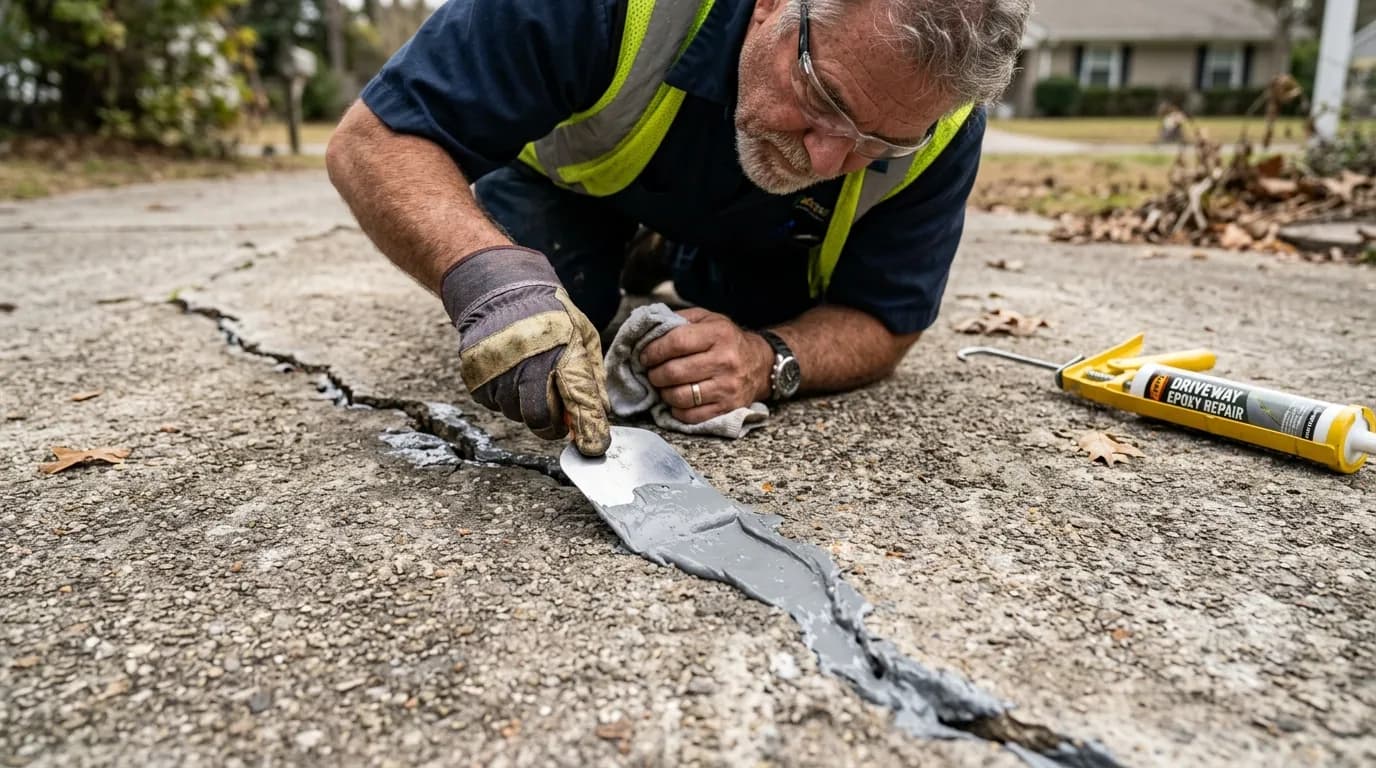
Minor cracks: Sealant/filler
Moderate cracks: Epoxy injection
Severe damage: Resurfacing or replacement
Internal Link #2: Link to "concrete repairs Adelaide" service page using anchor "professional concrete repair services"
Why Adelaide's Climate Matters for Concrete
Low humidity = faster curing = higher shrinkage risk
Temperature swings between seasons
Reactive clay soils common in northern suburbs
Summer heat can cause rapid moisture loss
Winter moisture can affect cured concrete
Relevant Services & Concreting Guides
Planning a concreting project at your Adelaide property? Explore our specialized services: